The Problem
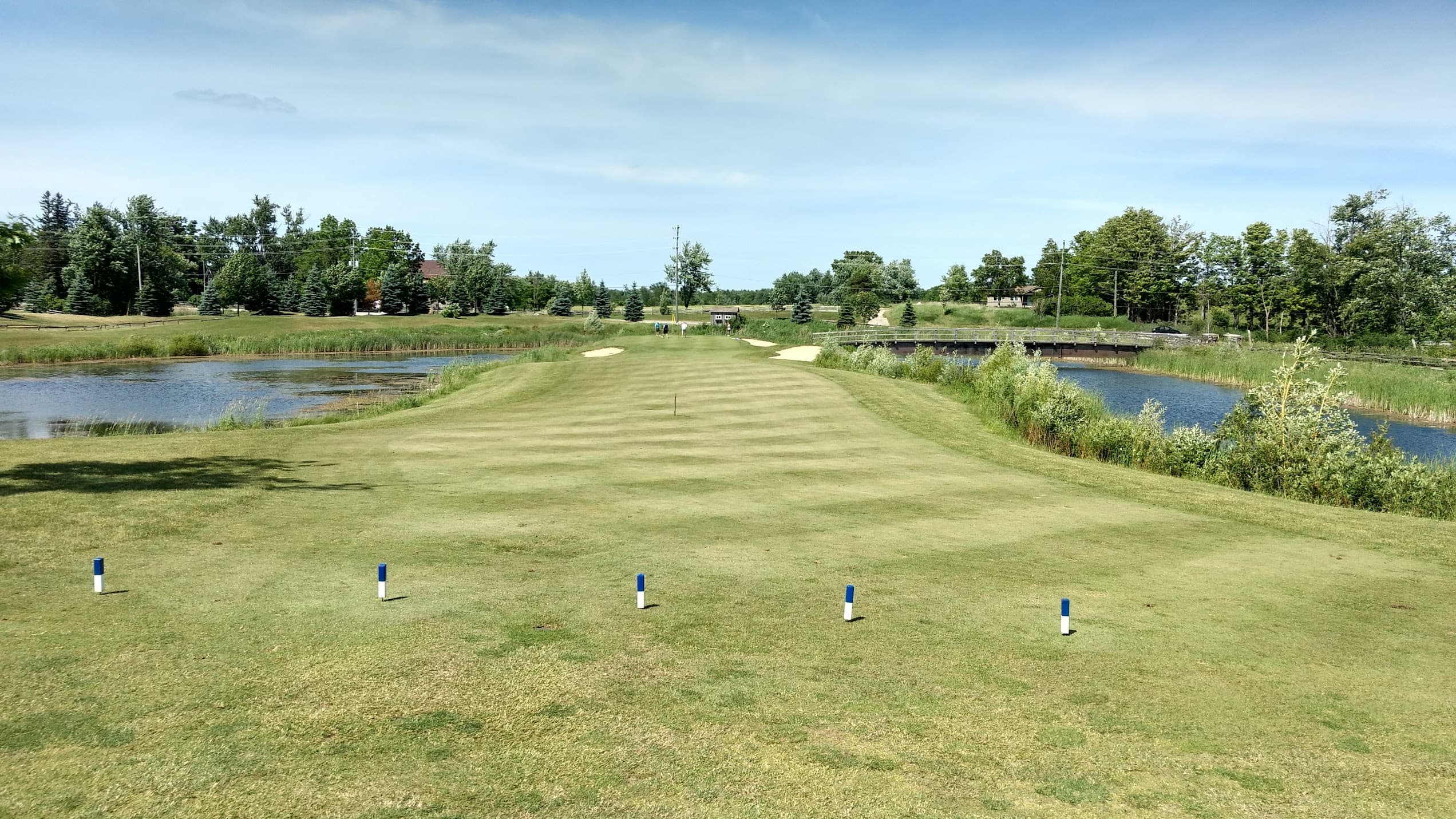
Golf scoring apps are built for serious golfers.
Hole19, TheGrint, and their competitors assume you know your handicap, expect you to navigate course databases and GPS maps, and want you to pay a subscription. Heavy onboarding. Cluttered interfaces. Subscription before you've played a hole.
These apps aren't built for casual golfers. If you play a few times a year, still use a paper scorecard, and have no interest in tracking your handicap, they're the wrong tool. Not too simple. Too much.
I'm that golfer. I couldn't find the app I wanted, so I built it.
The Design Process
Research
I didn't have user interviews. I worked with what I did have.
Competitive audit: I mapped Hole19, TheGrint, and TallyHo across onboarding complexity, feature depth, and Wear OS support, to see where casual golfers were being ignored and where the apps were actually breaking down.
Play Store review mining: The most useful signal came from competitor reviews. Wear OS sync failures appeared consistently: lost data, broken connections, abandoned features. This wasn't anecdotal; it was a pattern across real reviews.
Proxy user testing: Without access to a golf course during early ideation, I used golf video games to simulate round flow, working through hole transitions, score entry timing, and mid-round interruptions. Not perfect, but enough to work through the core interactions before writing any code.
What I didn't do: formal user interviews. I built on competitive evidence, real review data, and my own experience as exactly the person I was designing for. It's a real gap. I'm planning to close it in beta.
The Insight
Casual golfers don't need a better version of Hole19. They need a different product.
Wear OS was the opening. Every serious app has a watch companion, but real Play Store reviews confirm the execution is consistently broken. Sync failures, abandoned features, unreliable connections. For a casual golfer who wants to tap their wrist to add a stroke without pulling out their phone, no app is actually delivering this reliably.
That was the bet: something clean and simple that actually works on your wrist.Design Decisions: What's In, What's Cut
The V1 filter was simple: would a first-time golfer understand this immediately? If not, V2.
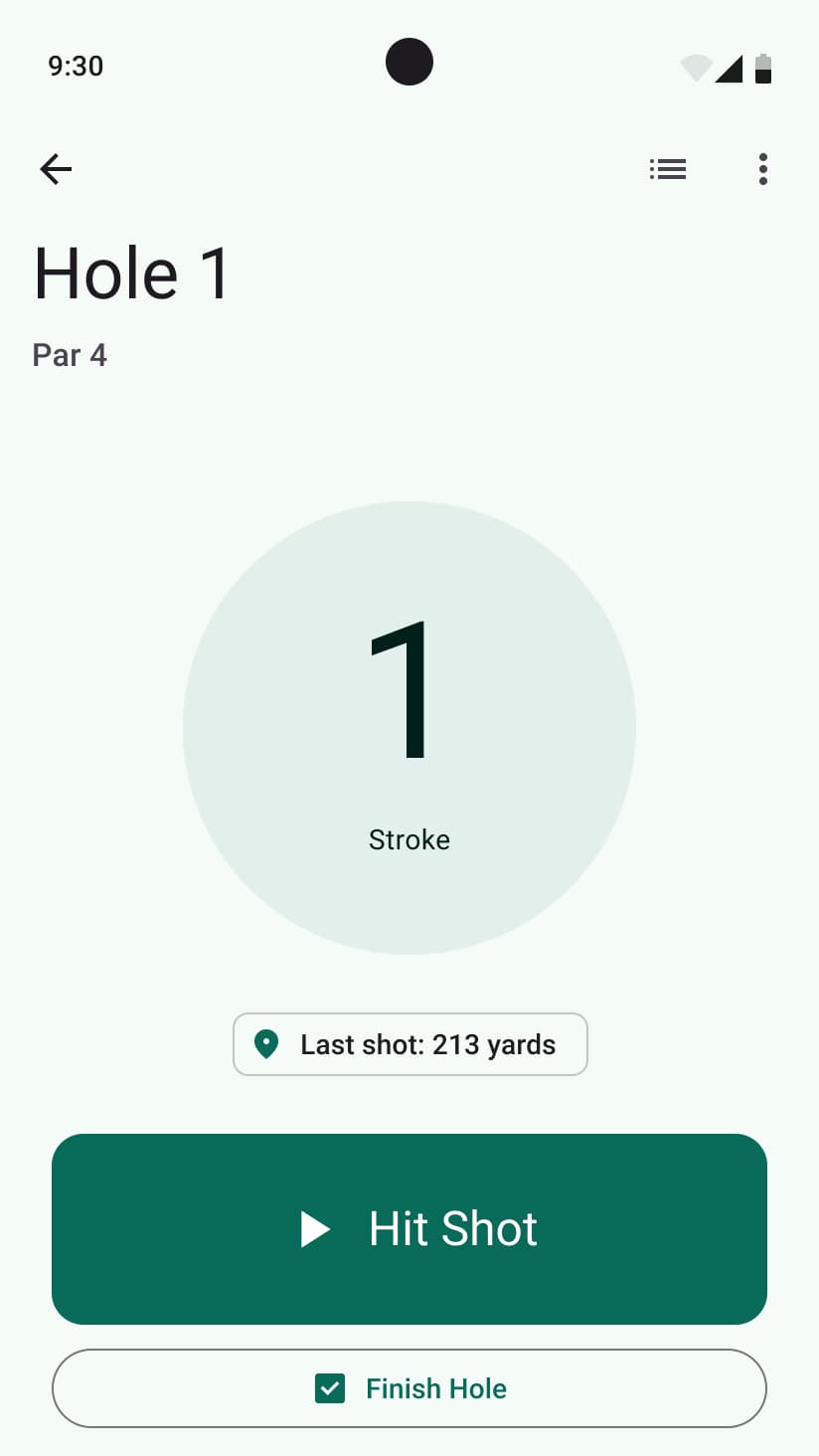
- Stroke counting
- Score vs par
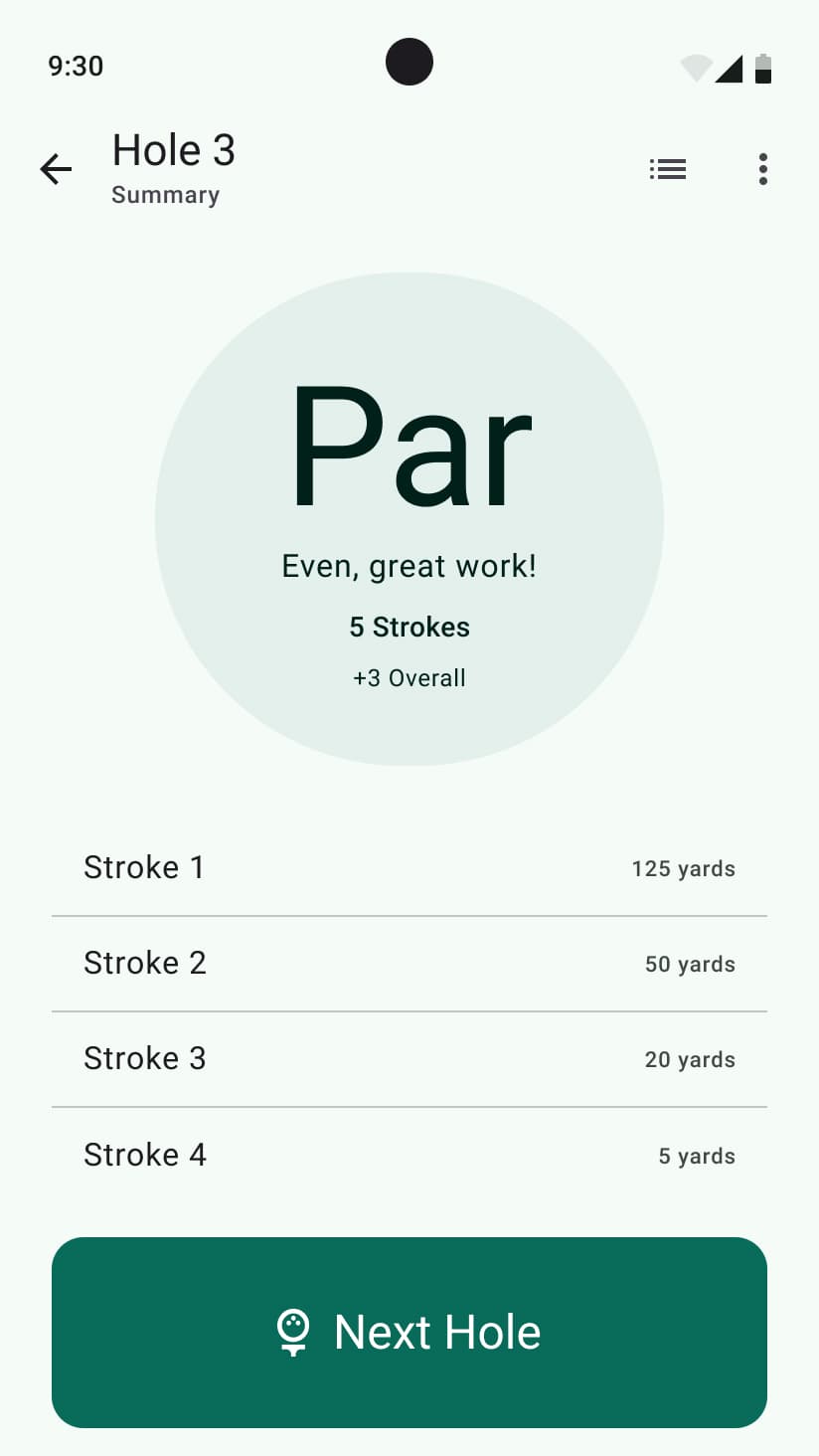
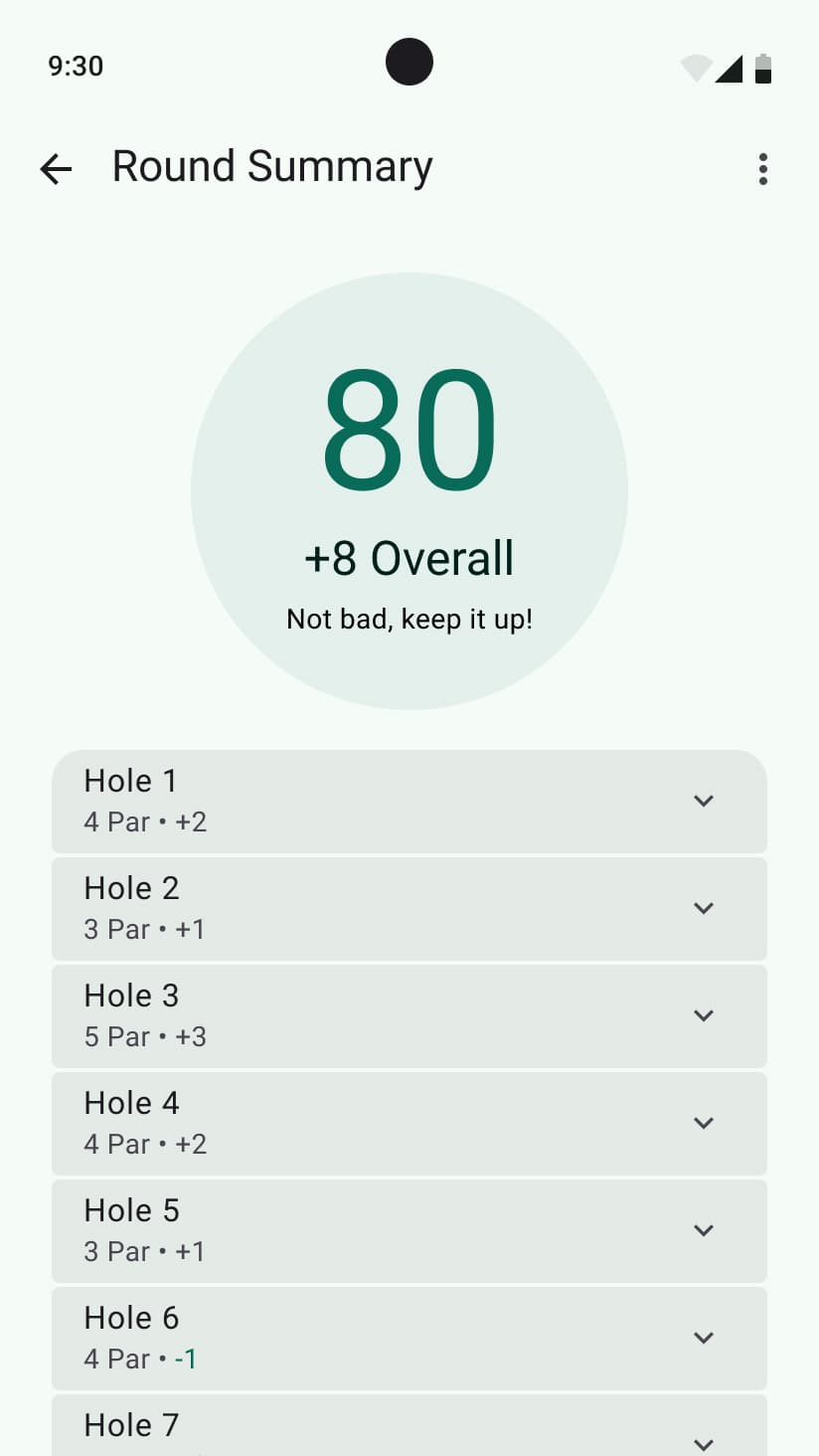
- Hole-by-hole summary
- Round history
- Watch companion (Wear OS)
- Handicap tracking
- Course database and GPS maps
- Tee box selection
- Club tracking and swing analysis
- Multiplayer
Every cut was to protect simplicity. Handicap tracking matters to a fraction of golfers. Course databases add onboarding friction for someone who just wants to start a round. V1 has to be simpler than a paper scorecard. That's the bar.
The Platform Decision
Tally is Android-native, and that's because of Wear OS.
Cross-platform frameworks like Expo don't support Wear OS. Going native was the only way to build what I actually wanted: a phone app and a watch app that work together. Both are built and working.
The phone app is currently in testing. The watch app is on hold while I wait for replacement hardware. The platform decision was right. The timing just got complicated.
Designing with AI: The Tastemaker Lesson
I used Gemini in Android Studio as a build tool, not a design tool.
Early on, before the Figma designs were done, I let Gemini generate the phone UI. The screens ran. But the UX was weak: generic patterns, default choices, no real design intent behind any of the decisions.
AI accelerates execution, but makes design decisions by default when there's no direction. Without a designer setting the standards, you get the average of what's been built before.I stepped back. Designed the full phone UI in Figma first. Then used Gemini to implement against those designs. The result was better, and the gap between “AI-led” and “design-led, AI-implemented” was obvious when you held them side by side.
AI is fast at building. But it doesn't have taste. Someone still has to decide what good looks like. That job matters more now, not less.
The Work
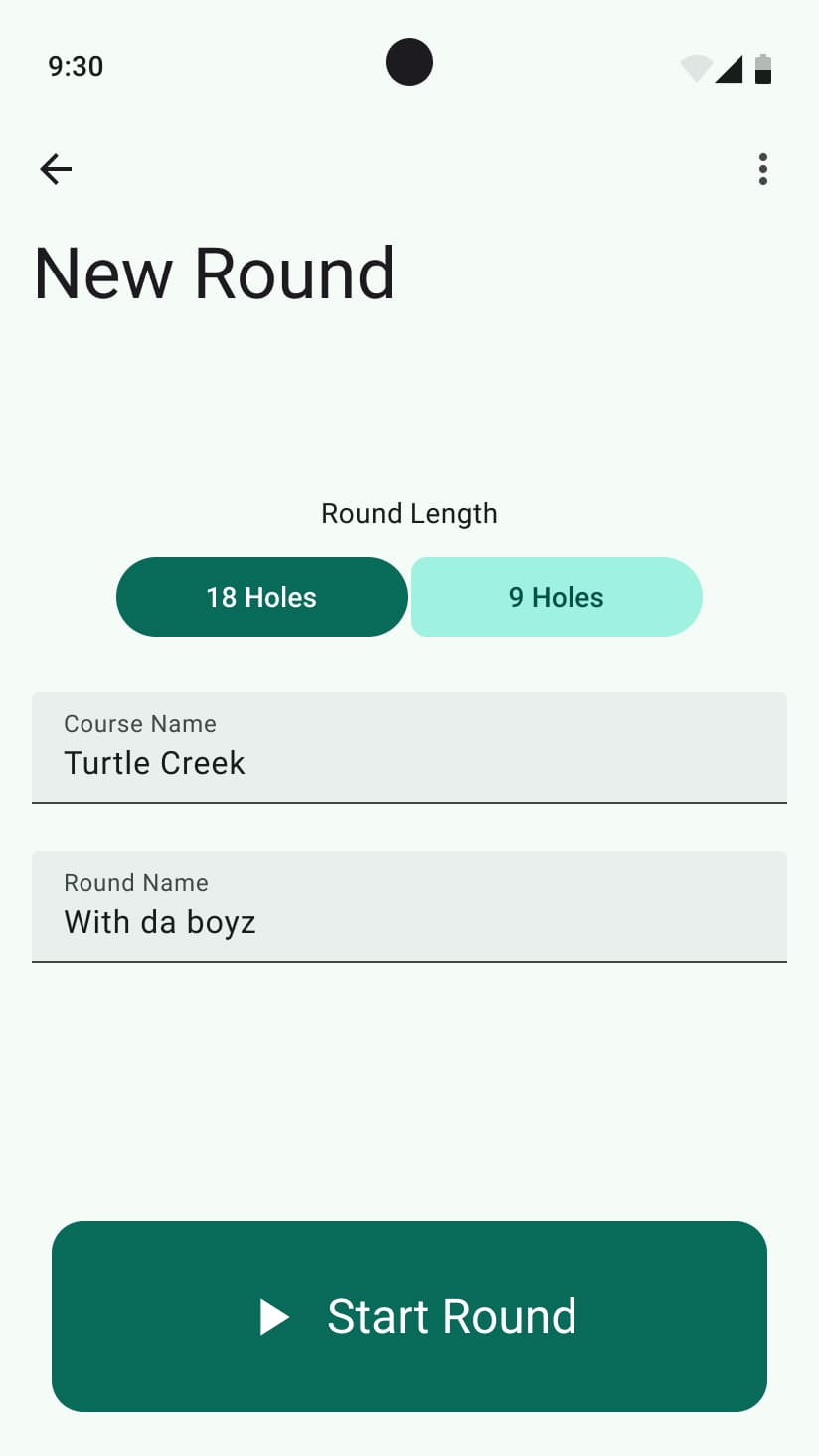
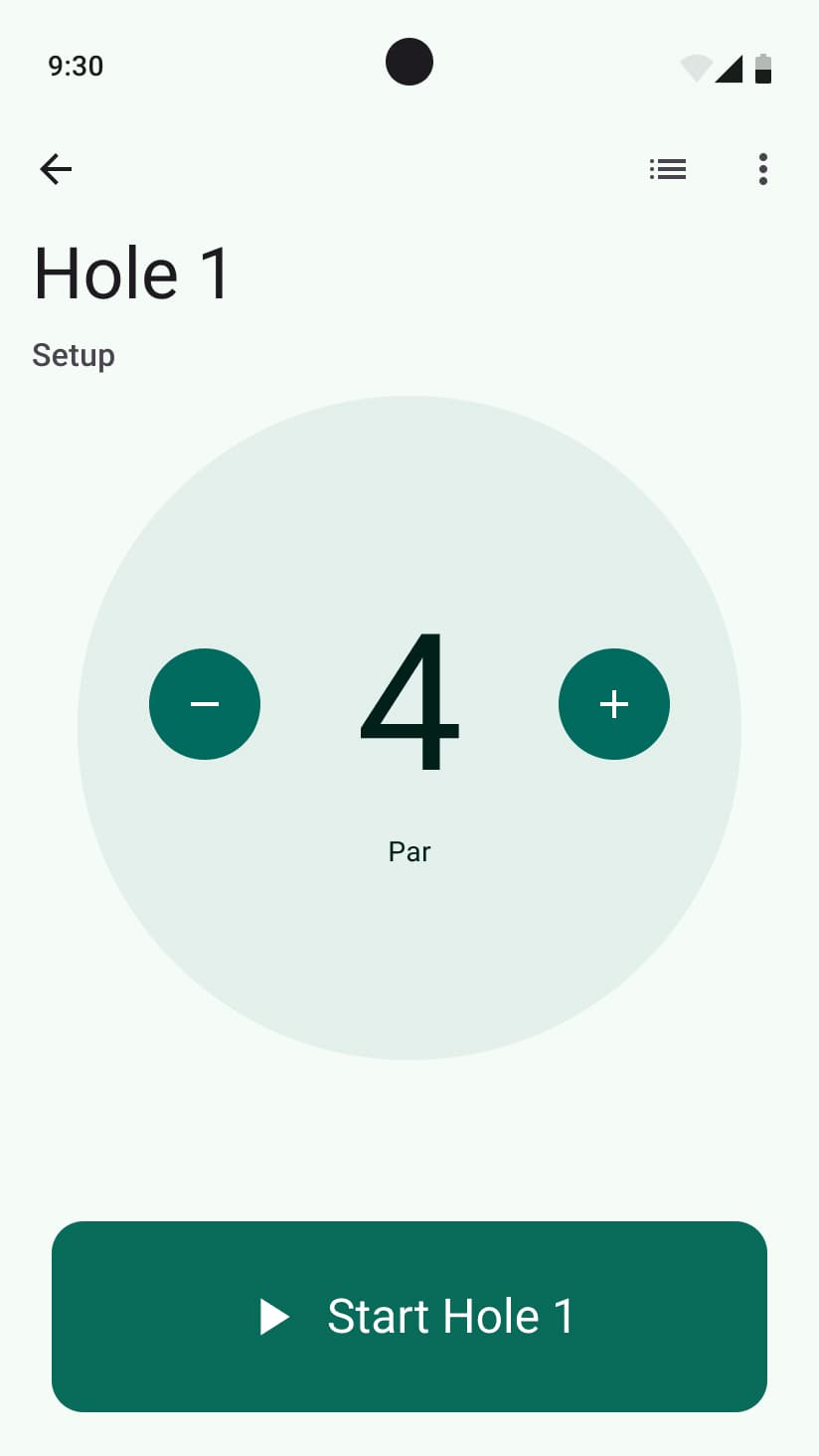
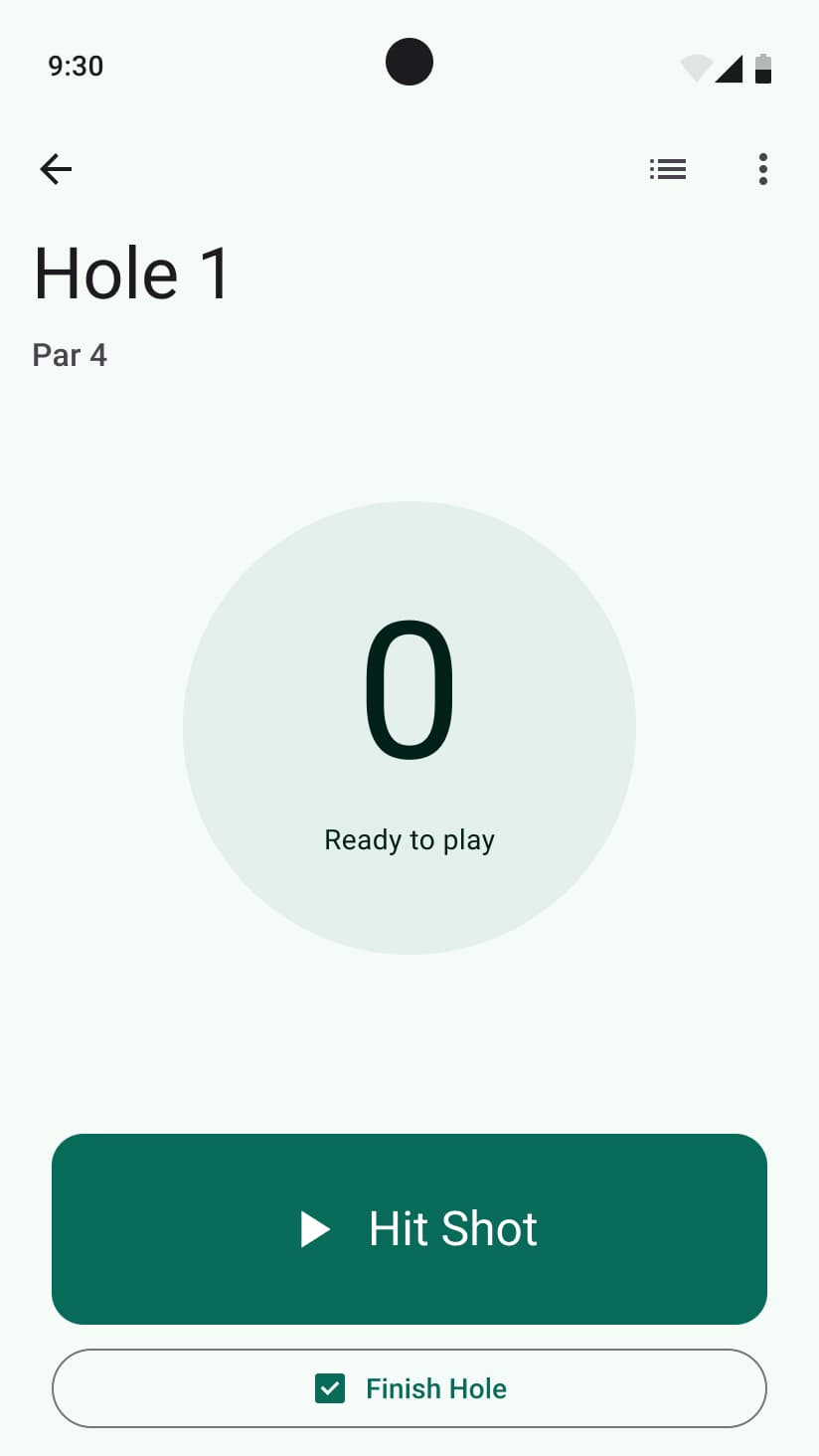
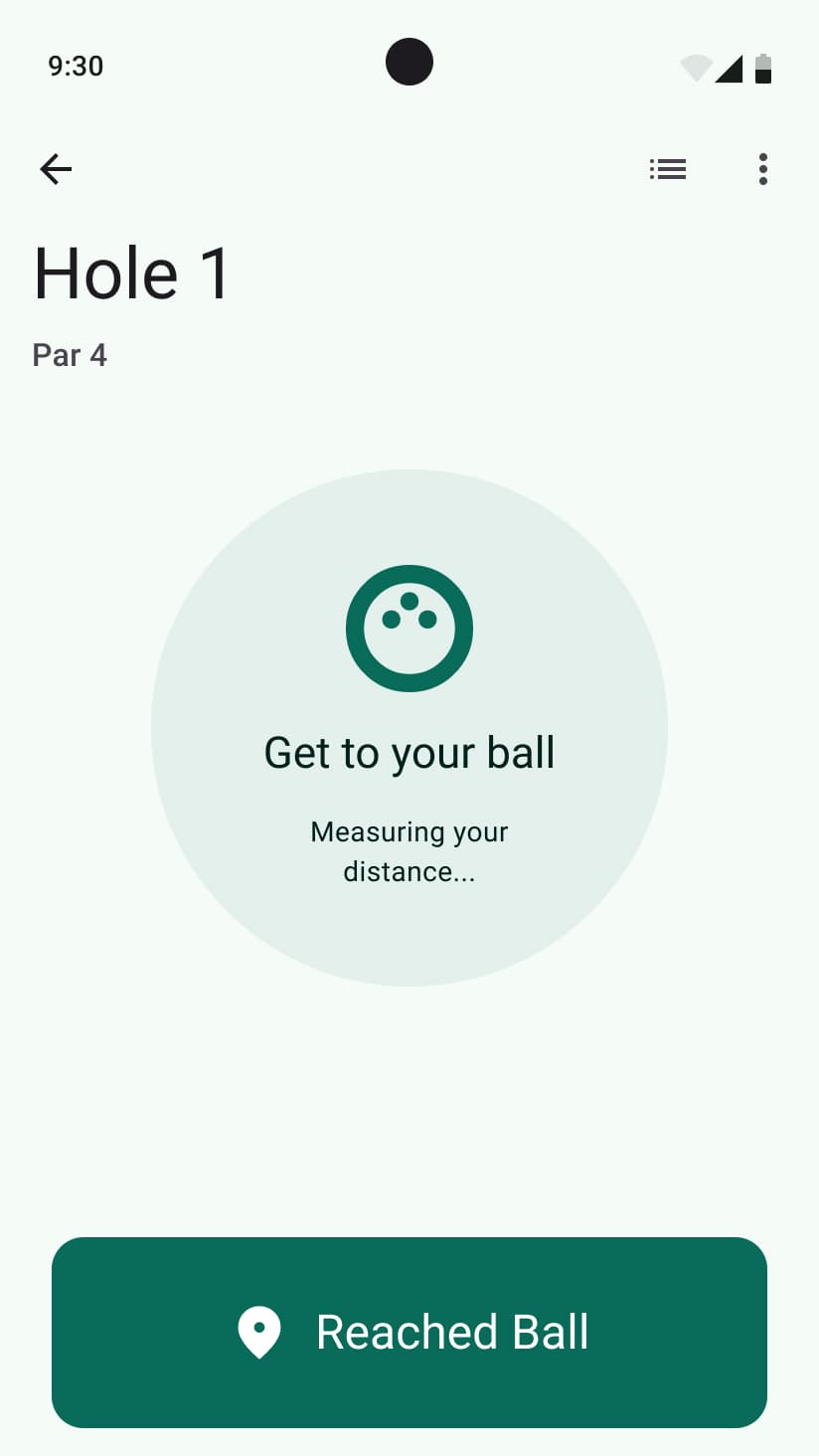
Status
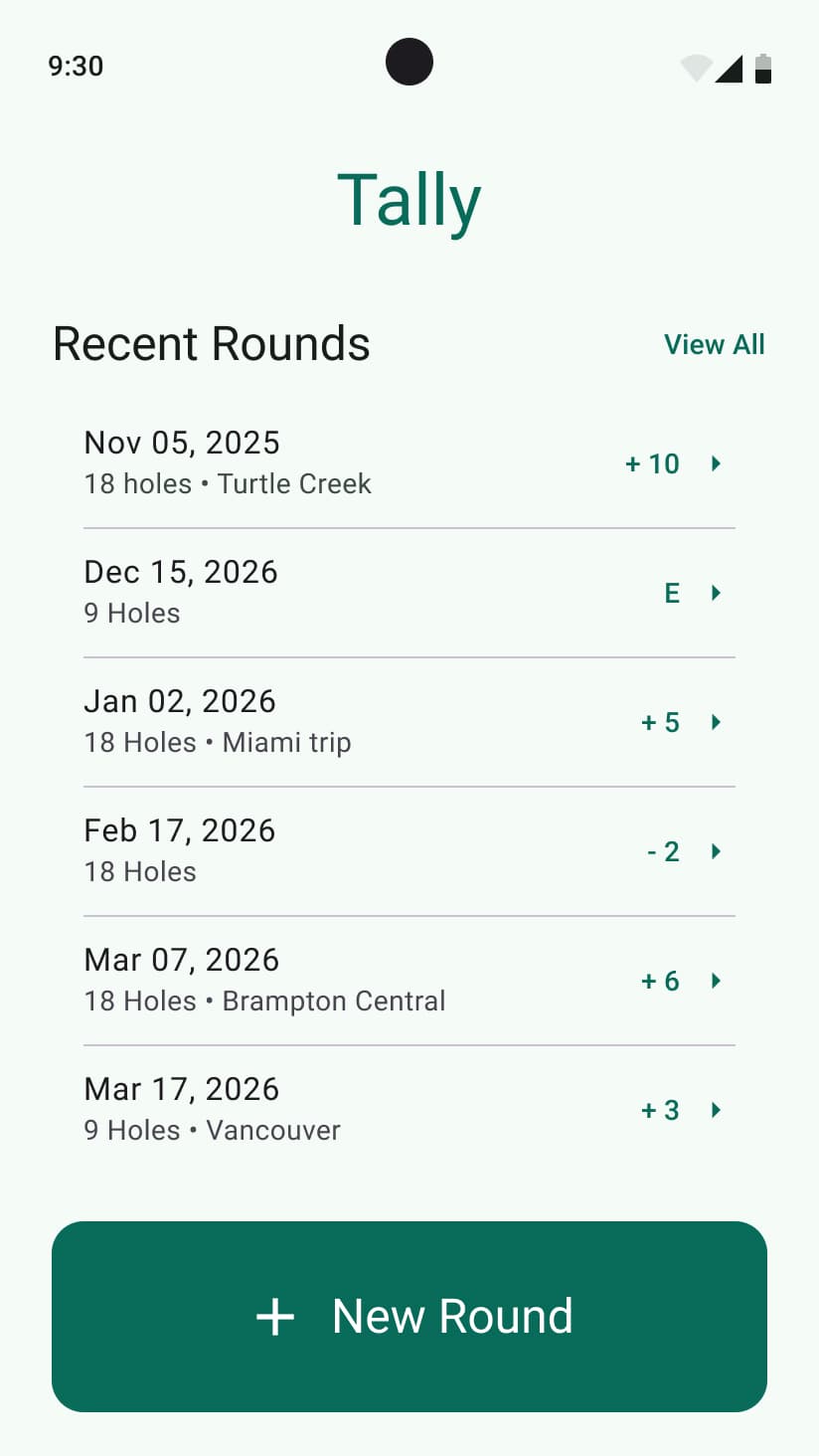
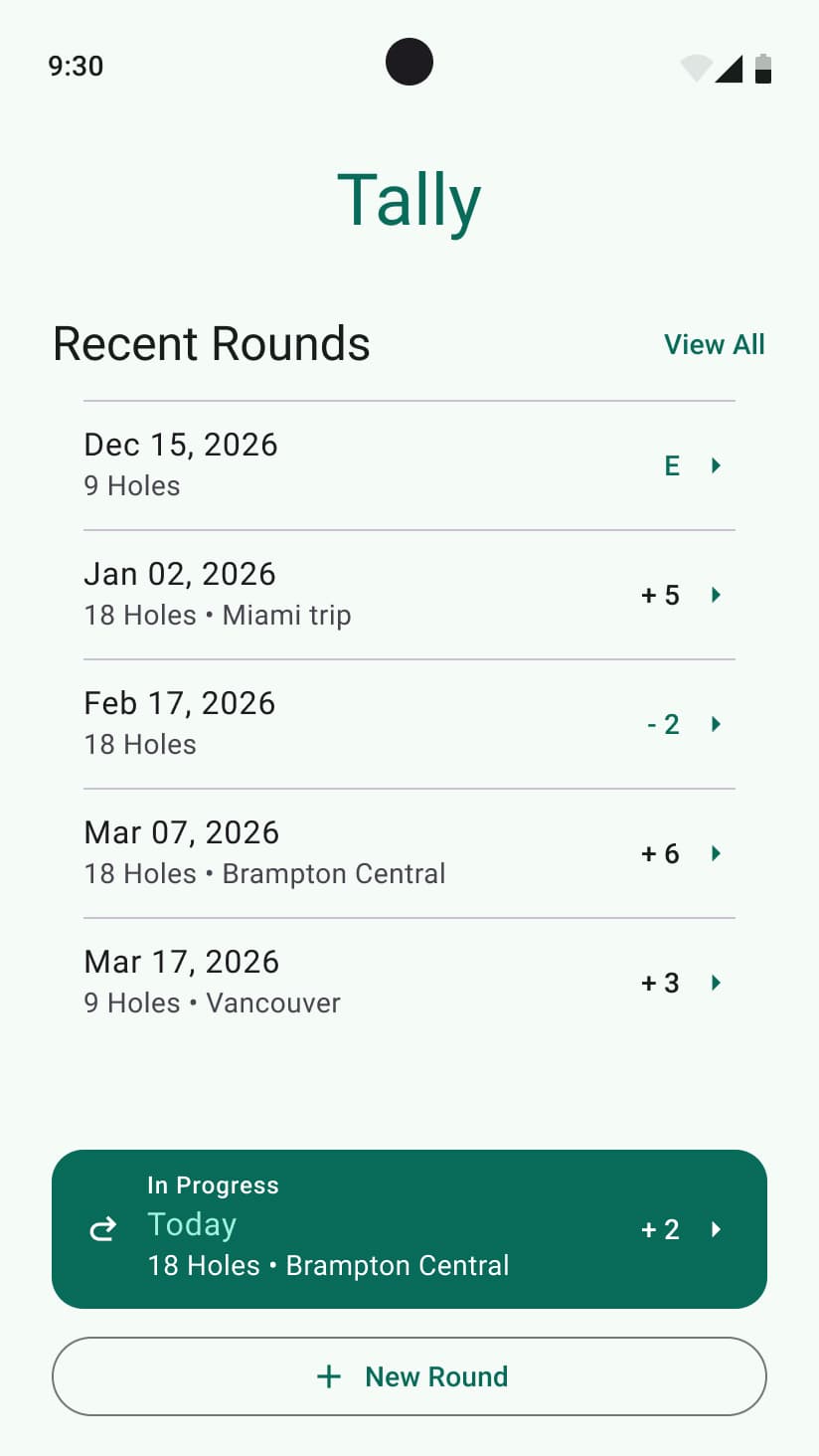
The phone app is largely complete and matching Figma designs. The watch app is paused pending replacement hardware.
Tally is in internal testing. Not yet public, but getting there.
All Work